
Ultimate Guide to Clean Eating for general Fitness
Discover the ultimate guide to clean eating and learn about healthy food choices, meal planning, nutrition tips, and simple habits that promote lasting wellness for general fitness.
HEALTH TIPS / LIFESTYLE
7/8/20268 min read

Understanding Clean Eating
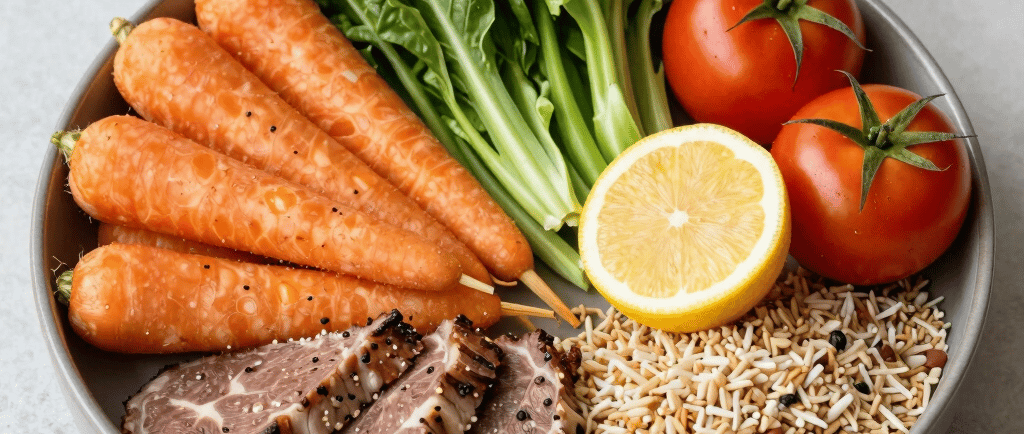
Clean eating is a dietary approach centered on the consumption of whole, minimally processed foods. This philosophy emphasizes the importance of nutrient density, which refers to the amount of essential nutrients—such as vitamins, minerals, and fiber—per calorie of food. The clean eating movement has grown significantly, emerging as a popular trend in response to the increasing availability of processed foods laden with additives, preservatives, and sugars that can negatively impact health.
The origins of clean eating can be traced back to the increasing awareness of nutrition and health, reflecting a shift towards a more wholesome diet. This movement gained traction as nutrition science began to highlight the adverse effects of overly processed foods on physical health and wellness. Clean eating encourages individuals to focus on foods that are as close to their natural state as possible, promoting a diet rich in fruits, vegetables, whole grains, lean proteins, and healthy fats.
The health benefits associated with adopting a clean eating lifestyle are extensive. By prioritizing whole foods, individuals often experience improvements in energy levels, digestive health, and overall well-being. Clean eating can contribute to weight management, as it typically involves choosing nutrient-dense foods that are satiating and lower in empty calories. Moreover, the consumption of a variety of whole foods can help reduce the risk of chronic diseases, including heart disease, diabetes, and certain cancers.
In summary, understanding clean eating encompasses recognizing its definition, origins, and the significant health benefits that come from integrating minimal processing and nutrient-dense food choices into one's dietary habits. This approach to eating not only supports individual health but also promotes sustainable practices that benefit both our bodies and the environment.
Key Components of Clean Eating
Clean eating is fundamentally about nourishing the body with whole, unprocessed foods that are rich in essential nutrients. The key components of a clean diet encompass a variety of food groups, each contributing significantly to overall fitness and well-being.
First and foremost, fruits and vegetables are the cornerstone of clean eating. These food groups are packed with vitamins, minerals, antioxidants, and dietary fiber. Consuming a colorful array of fruits and vegetables daily not only supports physical health but also boosts the immune system, enhances skin quality, and aids in digestion. Aim to include a diverse selection—which can range from leafy greens to vibrant berries—ensuring a comprehensive intake of nutrients.
Whole grains are another essential element of a clean diet. Unlike refined grains, which are stripped of their nutrients, whole grains retain the bran and germ, offering a wealth of fiber as well as vital B vitamins and other minerals. Foods such as brown rice, quinoa, and whole oats can help regulate blood sugar levels, promote satiety, and provide sustained energy for physical activities.
Lean proteins should not be overlooked in a clean eating approach. Protein is necessary for repair and growth of tissues, and sources such as chicken, turkey, fish, beans, and legumes offer high-nutrient options to fuel the body while managing weight effectively. Incorporating healthy fats is equally important; sources like avocados, nuts, seeds, and olive oil support heart health and help in the absorption of fat-soluble vitamins.
By focusing on these key components—fruits, vegetables, whole grains, lean proteins, and healthy fats—individuals can create a clean eating pattern that not only promotes fitness but also fosters long-term health and vitality.
Meal Planning and Preparation for Success
Meal planning and preparation are essential components of maintaining a clean eating lifestyle, particularly for those aiming to achieve general fitness. An effective meal plan not only supports your health objectives but also simplifies your grocery shopping and cooking processes. To create a clean eating meal plan, begin by assessing your dietary preferences and nutritional needs. Take into account factors such as portion sizes, macronutrient ratios, and any food allergies or sensitivities.
Once you have a clear understanding of your dietary requirements, the next step is to organize your grocery shopping. Make a comprehensive shopping list based on your meal plan, ensuring that it includes a variety of whole foods such as fruits, vegetables, lean proteins, whole grains, and healthy fats. When shopping, aim to stick to the perimeter of the grocery store where the fresh and minimally processed items are typically located. It is advisable to avoid pre-packaged meals and snacks, as they often contain hidden sugars and unhealthy fats.
Meal prepping plays a crucial role in adhering to clean eating. Allocate a specific day of the week—often a weekend day—dedicated to meal preparation. During this time, cook large batches of grains, proteins, and roasted vegetables that can easily be portioned out for the week ahead. Incorporate diverse flavors and cooking techniques to keep your meals exciting. Additionally, consider using clear containers to store your prepared meals, which facilitates easy access and encourages you to stay committed to your clean eating plan.
Creating a sample meal plan can serve as a helpful reference to maintain variety and balance in your diet. For example, a simple plan could include overnight oats with berries for breakfast, a quinoa salad with chickpeas and kale for lunch, and grilled salmon with roasted sweet potatoes for dinner. Adjust this template according to your dietary preferences, such as vegetarian or gluten-free options, to ensure that healthy eating fits seamlessly into your lifestyle.
Nutrition Tips for Clean Eating
Adopting a clean eating lifestyle involves making conscious choices about food that fuel the body appropriately. One of the foundational tips for clean eating is portion control. Understanding the appropriate serving sizes of various food groups is essential to avoid overeating, which can lead to unwanted weight gain and other health issues. Utilizing measuring tools such as cups or a food scale can help individuals better comprehend portion sizes and make more informed dietary decisions.
Mindful eating plays a crucial role in clean eating as well. This practice encourages individuals to focus on the eating experience by being present during meals and paying attention to hunger and satiety cues. By eating slowly and savoring each bite, one can create a deeper connection with food, leading to better digestion and satisfaction. It also aids in recognizing emotional triggers for eating, allowing for more balanced choices.
Hydration is another critical element often overlooked in clean eating. Drinking adequate amounts of water supports numerous bodily functions and can aid in weight management. A good rule of thumb is to aim for at least eight 8-ounce glasses of water daily, but individual needs may vary based on activity levels, climate, and overall health. Incorporating hydrating foods, such as cucumbers and watermelon, can also contribute to overall hydration. Additionally, understanding food labels becomes fundamental when practicing clean eating. Familiarity with nutritional information, including ingredient lists and the presence of additives or preservatives, empowers individuals to make healthier food choices.
Finally, navigating eating out while maintaining clean eating habits requires strategic planning. Opt for restaurants that prioritize fresh, whole ingredients and offer a variety of healthy options on their menus. When ordering, asking for dressings and sauces on the side, and requesting modifications can help in adhering to clean eating principles. By implementing these nutrition tips, one can successfully integrate clean eating into their lifestyle while enjoying diverse culinary experiences.
Building Healthy Habits and Mindset
Adopting a clean eating lifestyle necessitates not only changes to dietary choices but also significant shifts in mindset and behavioral patterns. Developing a positive relationship with food is crucial for sustained success. It is essential to view food as nourishment rather than a source of guilt or restriction. This change in perspective can help individuals approach clean eating with excitement rather than deprivation.
Overcoming challenges is a key element of building healthy habits. Often, individuals face obstacles such as emotional eating, cravings for processed foods, and social situations that may hinder their progress. Recognizing triggers for unhealthy eating behaviors is the first step towards addressing them effectively. For example, if stress leads to poor food choices, implementing stress-reducing techniques, such as mindfulness or physical activity, can create healthier responses to emotional cues.
Setting realistic goals plays a significant role in maintaining motivation and fostering healthier eating habits. Goals should be specific, measurable, achievable, relevant, and time-bound (SMART). Instead of adopting an all-or-nothing mentality, individuals can focus on small, incremental changes. This could involve incorporating a few more servings of fruits and vegetables into daily meals or gradually reducing processed food intake. Celebrating these small victories helps reinforce positive behaviors, making the overall process of clean eating more enjoyable and less artificial.
Regular self-reflection and assessment are also essential in sustaining a clean eating mindset. Keeping a food journal to track meals, feelings, and behavioral patterns can provide valuable insights into one’s relationship with food. This practice helps identify which habits are beneficial and which might need adjustment, fostering a more constructive and adaptive relationship with food over time. Building a positive mindset toward food, overcoming common challenges, and setting achievable goals can make clean eating an integral part of daily life.
Incorporating Exercise into Your Clean Eating Lifestyle
Integrating clean eating with a structured exercise routine significantly enhances overall fitness and improves performance. The relationship between nutrition and physical activity cannot be overstated, as the foods consumed have a direct impact on energy levels, stamina, and muscle recovery. This section will delve into how adopting a clean eating approach can optimize your fitness regime.
First and foremost, incorporating whole foods such as fruits, vegetables, lean proteins, and whole grains is essential. These foods provide the necessary vitamins, minerals, and macronutrients that help fuel workouts. For instance, carbohydrates from whole grains and starchy vegetables like sweet potatoes offer a stable source of energy for extended training sessions. Including healthy fats from sources such as avocados, nuts, and seeds also aids in maintaining energy levels while supporting vital bodily functions.
Post-exercise recovery is another crucial area where clean eating can make a significant difference. Consuming a balanced meal within two hours of completing a workout is recommended. This meal should ideally consist of a combination of protein and carbohydrates to replenish glycogen stores and facilitate muscle repair. Examples include a smoothie made with spinach, banana, and protein powder, or grilled chicken with quinoa and steamed broccoli.
Hydration is equally important when it comes to exercise and clean eating. Drinking adequate amounts of water throughout the day ensures optimal performance and can help prevent fatigue. Additionally, electrolytes from natural sources, such as coconut water or fresh fruit juices, can be beneficial post-workout to help restore balance.
Ultimately, the synergy between clean eating and exercise fosters a holistic approach to fitness. By understanding how different foods influence your energy and recovery, you can tailor your diet to support your workout goals, maximizing benefits and leading to a healthier lifestyle overall.
Long-term Benefits of Clean Eating
Adopting a clean eating lifestyle offers numerous long-term health benefits that extend beyond immediate fitness goals. By prioritizing whole, unprocessed foods, individuals can significantly enhance their overall well-being, leading to a more fulfilling and vibrant life. Clean eating encourages the consumption of nutrient-dense foods, which are essential for providing the body with vital vitamins and minerals necessary for optimal functioning. This emphasis on nutrition not only aids in physical fitness by supporting energy levels and muscle recovery, but also plays a pivotal role in preventing chronic diseases.
Research indicates that a diet rich in fruits, vegetables, whole grains, and lean proteins is associated with lower risks of conditions such as obesity, diabetes, heart disease, and certain types of cancer. Furthermore, clean eating helps to maintain a healthy weight, which can lead to improved self-esteem and mental health. As individuals embrace this lifestyle, they often report better mood regulation and cognitive function, contributing to an overall enhanced quality of life.
Moreover, the long-term impact of clean eating extends to longevity. Studies suggest that individuals who maintain a balanced diet characterized by minimal intake of processed foods are likely to enjoy a longer life span. Clean eating not only supports fitness goals but also fosters a holistic approach to wellness, encouraging individuals to develop a deeper connection with their food. This mindfulness in eating habits can lead to more sustainable and healthier choices in the long run.
In conclusion, committing to clean eating is a powerful investment in one’s health. The benefits of improved physical fitness, disease prevention, mental health, and longevity make this lifestyle an essential component of overall wellness. By choosing to prioritize clean eating, individuals can pave the way for a healthier future and enhance their quality of life for years to come.
Wellness
Empowering you to lead a healthier life.
Fitness
contact@healthbasehub.com
© 2025. All rights reserved.